The Africa Energy Indaba 2026 officially commenced in South Africa’s legislative capital on Tuesday, drawing energy ministers and industry leaders from across the continent to confront a central question: how Africa can harness its resource wealth to drive genuine industrial transformation.
The three-day gathering at the Cape Town International Convention Centre has attracted over 1,000 delegates, including 15 energy ministers representing more than 30 African nations. The high-level participation underscores a growing continental consensus that Africa must move beyond its historical role as a raw material exporter and instead capture greater value from its vast natural endowments.
‘Critical Minerals Require Critical Thinking’
South Africa’s Minister of Electricity and Energy, Kgosientsho Ramokgopa, delivered the keynote address, positioning the continent as an indispensable actor in the global energy realignment.
“Africa, endowed with critical minerals, is a key participant in the global transition process,” Ramokgopa told delegates. He framed the current moment as a structural reshaping of global energy systems, where reliable electricity supply has become a direct determinant of national sovereignty, industrial competitiveness, and geopolitical influence.
The minister delivered a sharp message on sequencing: industrializing mineral value chains must begin with industrializing energy value chains. “Stable, reliable, and affordable electricity is the foundation upon which green steel, battery materials, and hydrogen industries can take root,” he said.
Ramokgopa called for a deliberate strategy to embed technical capacity within African economies. Rather than relying on turnkey imports, he urged increased investment in domestic engineering capabilities, technical and vocational training institutions, and sustained research partnerships between government, industry, and academia.
Beyond Extraction: The Industrialization Imperative
The minister’s remarks reflect a broader shift in African energy discourse. For decades, the continent has supplied raw materials to global markets while importing finished goods—a dynamic that energy-rich nations are now seeking to upend.
With global demand surging for minerals essential to clean energy technologies—lithium for batteries, cobalt for electric vehicles, manganese for steelmaking, and platinum for hydrogen electrolysis—African governments see an opportunity to negotiate from a position of greater strength.
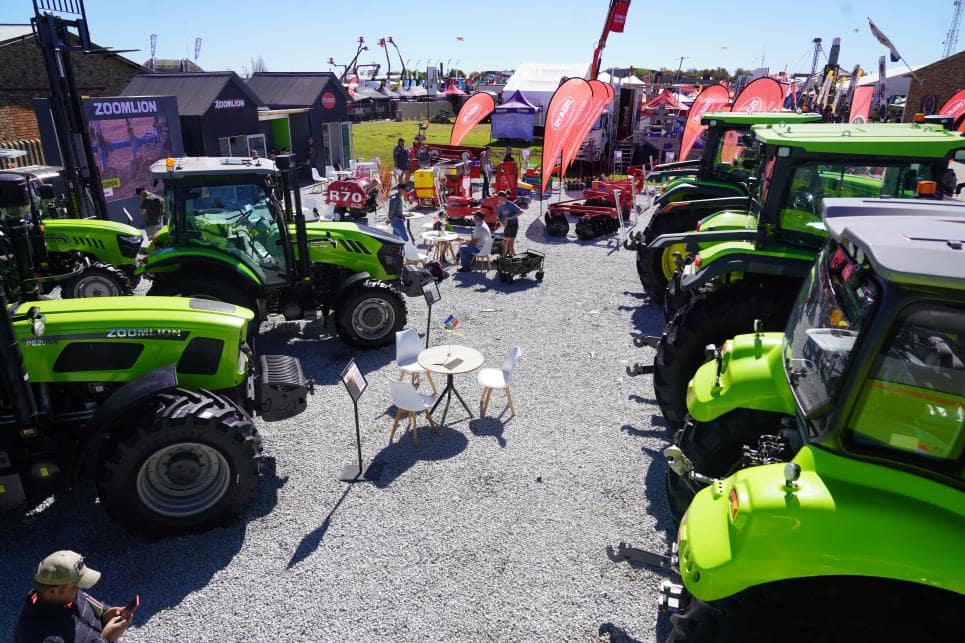
The Indaba’s agenda reflects this ambition. Beyond the ministerial roundtables and leadership dialogues, the accompanying exhibition features more than 110 companies showcasing technologies spanning natural gas, renewable energy, nuclear power, transmission infrastructure, and electric mobility.
Bridging the Financing Gap
Despite the continent’s substantial renewable energy potential—from the solar-rich Sahara to the geothermal reserves of the Rift Valley—infrastructure deficits and financing hurdles remain formidable obstacles.
Conference organizers have structured dedicated investment matchmaking sessions aimed at connecting project developers with financiers, with particular emphasis on bankable proposals that can demonstrate clear commercial pathways. The message is consistent: capital will follow credible projects.
The Indaba runs through Thursday, with sessions expected to address grid modernization, regional power pooling arrangements, and the regulatory frameworks required to attract private investment while ensuring equitable access to electricity for Africa’s rapidly growing population.
As delegates filed into the opening sessions, the mood was one of cautious optimism. The global energy transition presents risks—particularly the prospect of stranded assets and shifting demand patterns—but for African policymakers gathered in Cape Town, it also presents an unprecedented opportunity to rewrite the continent’s economic relationship with the world.